
How Long Does a Roof Last in Puchong's Climate?
Roof lifespan varies by material - from 15 years for zinc to 50+ for clay tiles. Learn how the tropical climate affects roof durability in Puchong.
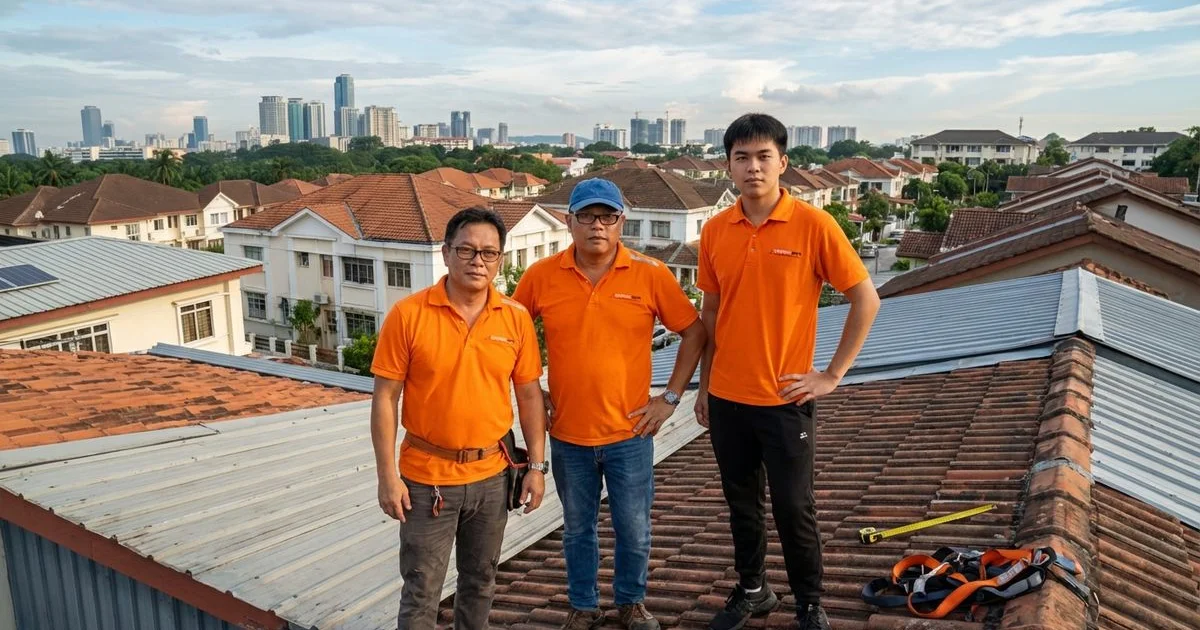
How the Tropical Climate Affects Your Roof
Every roofing material has an expected lifespan, but actual performance depends heavily on environmental conditions. The tropical climate here presents a unique combination of challenges that can significantly shorten roof life compared to temperate regions:
- Intense UV radiation - degrades coatings, sealants, and waterproofing membranes
- Over 2,600mm annual rainfall - constant water exposure tests every seal and joint
- Humidity above 80% - promotes biological growth and accelerates corrosion
- Daily thermal cycling - temperature swings between 24 and 33 degrees cause expansion and contraction
Understanding how these factors affect different materials helps you plan maintenance and anticipate when replacement becomes necessary.
Expected Lifespans by Material
| Material | Rated Lifespan | Realistic Lifespan (Tropical) | Key Degradation Factor |
|---|---|---|---|
| Clay tiles | 50-80 years | 50+ years | Impact damage, mortar degradation |
| Concrete tiles | 30-50 years | 25-40 years | UV coating loss, thermal cracking |
| Metal deck (coated) | 25-40 years | 20-30 years | Corrosion at fasteners and overlaps |
| Zinc sheets | 15-25 years | 12-20 years | Surface corrosion, joint failure |
| Flat roof membranes | 10-20 years | 8-15 years | UV degradation, ponding stress |
| Waterproof coatings | 5-10 years | 5-8 years | UV degradation, traffic wear |
Factors That Shorten Roof Life
1. Deferred Maintenance
A roof that receives regular maintenance typically outlasts a neglected roof by 30-50%. Clogged gutters, cracked ridge capping, and loose tiles all allow water to penetrate and accelerate deterioration from the inside.
2. Poor Initial Installation
Shortcuts during installation create problems that manifest years later. Common issues include insufficient overlap on metal sheets, improper flashing installation, and inadequate ventilation. These problems are often invisible until the first heavy monsoon exposes them.
3. Biological Growth
Moss, algae, and lichen trap moisture against the roof surface, accelerating material degradation. In the humid conditions here, biological growth can appear within 2-3 years on untreated surfaces. Regular cleaning or anti-fungal coating helps prevent this.
4. Tree Proximity
Overhanging branches drop leaves into gutters, scrape against tiles during wind, and provide pathways for pests to access your roof. Keeping trees trimmed back at least 2 metres from the roof edge extends its lifespan.
How to Maximize Your Roof’s Lifespan
- Schedule biannual inspections - before and after monsoon season
- Clean gutters regularly - prevent overflow and fascia damage
- Address repairs promptly - small problems become expensive ones
- Apply protective coatings - heat-reflective coatings reduce thermal stress
- Consider insulation - reduces thermal cycling in the roof structure
- Trim nearby trees - prevent physical damage and debris accumulation
Know When Your Roof Is Aging
Many homeowners in Puchong’s established estates live with roofs that are approaching replacement age. If your home was built in the late 1990s or early 2000s with concrete tiles, your roof is now 25+ years old. While it may still function, it is worth having a professional assessment to understand its remaining useful life and plan accordingly.
Read our guide on signs you need a new roof to understand when repair is no longer the practical choice.
Tags
Need Professional Help?
If you're dealing with this issue, our team can help. Get an honest quote today.